
Value Creation Kid: Cultivating Values Over Managing Vices
Guidance from author, Scott Donnell, on focusing on values over vices with our kids.
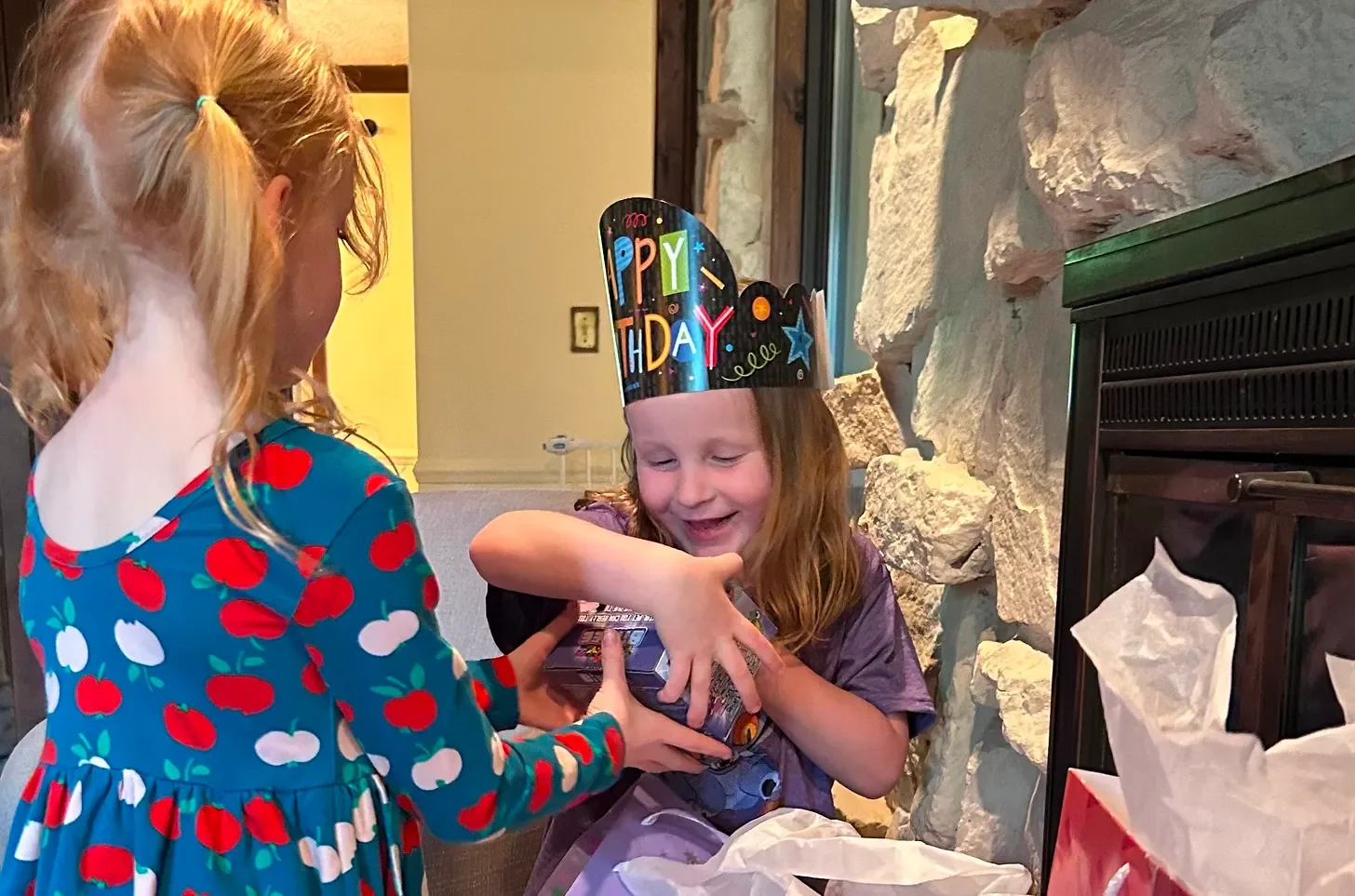
Our youngest just turned 6, and we were in the toy aisle allowing her to pick out one of her own birthday presents. For her older 8 year-old sister (our firstborn), we wouldn’t have done this. We were focused on diminishing the attention on presents while preaching, “It’s not things that make us happy, it’s relationships.” We sadly noticed around 6 or 7 years old, though, that she began to have great difficulty naming her wants and making choices for herself. We’ve course corrected and, for our youngest, we are naturally over-correcting. So, when she very confidently picked out a present for herself (a Bluey playset) and was ready to leave, I grabbed the second one she’d been eyeballing as well to go with it.
Until recently, one of my primary objectives with my two daughters was to not raise spoiled, materialistic children. My objective was to manage the potential vice of their consumption. But I’ve recently been introduced to something better: cultivating the joy of contribution. And my wife and I are switching our parenting attention from vices to values.
I landed on this reframe by reading author Scott Donnell’s book Value Creation Kid, and it’s changed how I think about the whole aim of raising kids. The focus isn’t balancing yeses with nos. I can say yes, even extravagantly at times, showing my kids it’s my delight to provide for them. I want them to know it’s okay to acknowledge and even ask for the desires of their heart. My focus is on teaching them that the best desires to cultivate are the desires for what produces joy; like the desire to create and contribute value in their world and in the shared world around them using their own resources, especially those they’ve earned.
We’re doing this by leading by example and facilitating opportunities where they can experience that joy. We’re actively putting systems in place to incentivize and reinforce it, and we’re no long concerned so much about being the consumption police. They want to earn and contribute. As we present something better, the former problem has disappeared and we can actually enjoy treating them from time to time.
Donnell makes the point that this is about identity formation. He describes value creation kids as kids with a secure identity that’s capable and confident. That formation is spurred on by value-creation activity where kids learn to earn by creating material, emotional, and spiritual value, defined by Donnell as follows:
Material value: What you create and produce.
Emotional value: How you think and feel, and how you make others think and feel.
Spiritual value: How you live and love others, and your connection to something greater than yourself.
I think the reason our kids look forward to birthday gifts so much is that the gift opening has become the primary way our culture acknowledges a child’s worth. We’ve outsourced the celebration of who they are to what they receive. We don’t have many other rituals for saying you matter, you are seen, you are valued, and so presents carry that message by default. That’s not a gift problem. That’s a formation gap. And it’s on us as intentional families to fill it.
One great example I’ve come across is from a case study Donnell shares on his website. The Barnett family rewards what they call, “Brain Gigs.” Tom and Georgia Barnett set up an agreement with their grandkids that for every nonfiction book or short educational video their grandkids read or watch, they can write up a few paragraphs and send it to teach grandma and grandpa what they’re learning in exchange for $10. What followed were wonderful correspondences, mentoring conversations, and kids who were genuinely incentivized to use their minds to learn, solve problems, and create intellectual, material value for their family.
This is the transition every parent eventually faces; shifting from helping your children survive to helping them thrive. But it’s easy to stay stuck in the first mode. Managing consumption feels responsible. It feels like protection. What I’m learning is that it’s not enough. The goal was never to raise kids who don’t want too much. Goodnight, do not make the mistake we started to make by teaching your children to deny the desires of their hearts! The goal is to raise kids who have learned the deeper joy of creating something and giving it away; kids who know, in their bones, that they have something worth giving.
Oak & Iron Family exists for people who want more than the default. Building a life, family and legacy that's rooted, strong, and enduring takes intention. We're here to help with conversations, resources, connections and guidance for every season of family life. Subscribe to get new posts delivered straight to your inbox, and let's do this work together.